Build Better Software. Reduce Quality Risks.
Software issues can affect customer experience, disrupt business operations, and delay product releases. Wemonde provides software quality assurance and testing services to help businesses identify defects, validate critical workflows, and improve application reliability before software reaches end users.
From new product development to existing application upgrades, our testing approach focuses on your business requirements, technical environment, and release goals.
Get a Free Test Assessment →
More Than Finding Bugs
Make Software Quality and Assurance Part of Every Release
Most enterprise software projects do not fail on code. They fail on fit, that is a workflow nobody mapped, a department nobody consulted, an integration nobody scoped. We spend our first weeks on exactly those questions, because they decide whether the application earns its place.
Our software testing and QA experts team write the business case alongside the technical plan. Every build we have taken on is held to four standards:
 Mapped to real workflows
 Connected to current systems
 Secure and audit-ready
 Documented and owned by you
QA and Testing Built Around Your Quality Goals
Software Testing Services for Every Project
Manual and Functional Testing
Not every issue can be identified through automated checks. Our manual QA and testing services validate application features against business requirements, helping identify incorrect behaviour, usability issues, and unexpected results. We test important user journeys to check that your software works as intended.
Test Automation Services
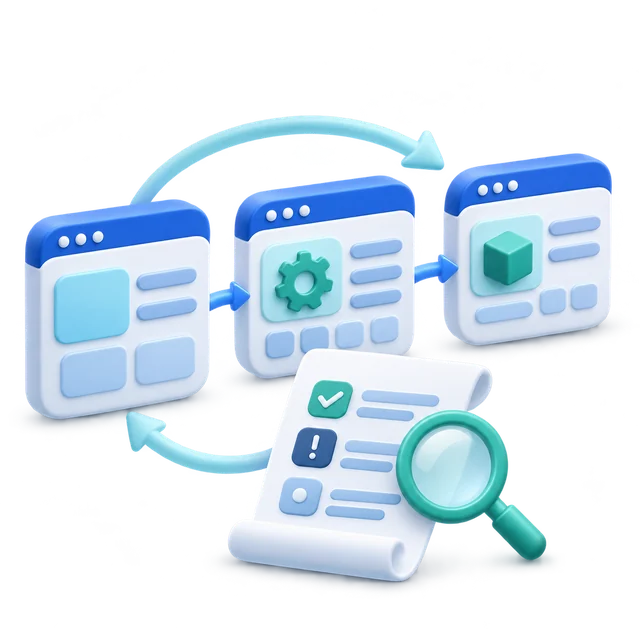
Repeated software quality and assurance testing can become time-consuming as applications grow, and updates become more frequent. Test automation helps execute repeatable checks consistently, making it easier to validate core functionality across development cycles. We help identify suitable automation opportunities based on your application, testing priorities, and maintenance requirements.

Regression Testing
A new feature or code change can unintentionally affect existing functionality. Regression testing checks whether previously working features continue to perform as expected after updates, bug fixes, or system changes. It helps businesses manage change without overlooking critical workflows.

Performance and Load Testing
An application that works well with a few users may struggle under heavier demand. Performance testing evaluates response times, stability, and resource usage under defined conditions. Load testing helps assess how the system behaves as concurrent users and workloads increase, supporting better-informed performance improvements.
API and Integration Testing
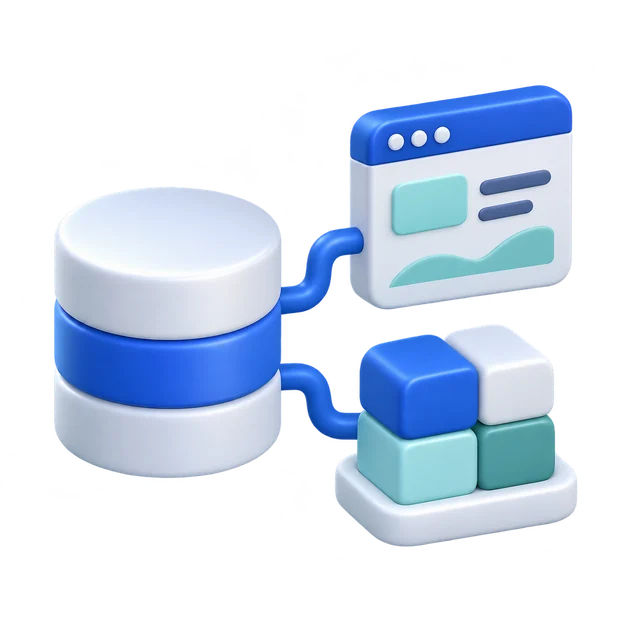
Modern applications often depend on APIs, payment gateways, CRMs, databases, and other external systems. API and integration testing check whether these components exchange data correctly, handle expected responses, and manage errors appropriately. This helps identify integration problems before they disrupt business processes.
Security Testing
Software vulnerabilities can expose sensitive information and undermine customer trust. Security testing helps identify potential weaknesses in application functionality, access controls, and data handling. The testing scope should reflect your application's security requirements and risk profile.

User Acceptance Testing (UAT)
Before a release, stakeholders need to confirm that the software supports real business requirements. UAT validates the application against agreed business scenarios and acceptance criteria, helping decision-makers determine whether it is ready for its intended use.
Software QA Testing for Business Requirements
Where Software Testing Makes a Difference
Software testing should focus on the areas that matter most to your business. When done under the expertise of professional web development experts, it helps in the following ways:
Prevent Production Issues
A defect that reaches production can interrupt important workflows, create support requests, and affect customer confidence. Testing critical features before release helps teams identify unexpected behaviour and address issues earlier in the delivery process.
Protect Existing Features During Updates
New functionality should not compromise what already works. Regression testing helps verify that existing features continue to perform correctly after code changes, bug fixes, or application upgrades.
Validate Third-Party Integrations
Business applications often rely on external platforms for payments, authentication, communication, and data exchange. Integration testing checks whether these connections behave as expected, helping reduce failures across interconnected systems.
Improve Application Performance
Slow response times and unstable performance can make software difficult to use, particularly during periods of high demand. Performance testing helps identify bottlenecks and understand how an application responds under defined workloads.
Strengthen Security and Data Reliability
Applications must handle user information and business data appropriately. Relevant security and data validation checks can help uncover weaknesses, incorrect data handling, and access-control issues that need attention.
Support More Predictable Releases
Repeated defects and incomplete testing can create last-minute delays. A structured QA process gives development teams clearer information about test coverage, unresolved issues, and potential release risks before making deployment decisions.
Spot the Quality Gaps
Is Your Software Ready for the Next Release?
Software quality and assurance needs more than developer testing.
As software grows, maintaining quality becomes more challenging. New features, changing requirements, integrations, and frequent releases can introduce issues that are difficult to identify through basic checks alone. Rely on expert software testing services if you notice:
-
Slow-Release Cycles
-
Frequent Bugs After Deployment
-
Flaky or Outdated Automation
-
Slow Response Under Heavy Traffic
-
Unreliable API Connections
-
Inadequate Test Coverage
Choosing the Right Testing Approach
Manual vs Automated Testing
The right mix depends on your release frequency, product maturity, budget, and risk profile.
| Requirement | Manual Testing | Automated Testing |
|---|---|---|
| Lower upfront cost | ✓ Better suited | Higher initial setup |
| Frequent releases | Slows down over time | ✓ Better suited |
| Repeated regression checks | Time-consuming | ✓ Better suited |
| Exploratory and usability testing | ✓ Better suited | Limited |
| Fast feedback in CI/CD | Not practical | ✓ Better suited |
| Long-term cost efficiency | Grows with scope | ✓ Lower over time |
Manual testing is often the stronger choice for new features, exploratory testing, usability checks, and short-lived projects. Automation is more suitable when your product has stable workflows, frequent releases, and regression suites that need to run repeatedly.
Most products need both. We recommend a balance based on what your product needs and how it is expected to grow.
Not sure which approach fits? Let's discuss your QA testing requirements →Quality Checks That Matter
What Our Software Testing Covers
Our QA activities may include:
Every application has different quality requirements. Wemonde's testing scope can be shaped around your software's functionality, technical environment, business workflows, and release objectives.

Requirements and Test Planning
Define testing objectives, scope, scenarios, and acceptance criteria.

Test Case Design
Prepare structured test cases for important features and user journeys.
Functional Validation
Check whether application features behave according to requirements.
Regression Testing
Verify that changes have not affected previously working functionality.
API and Integration Checks
Validate data exchange, responses, and interactions between connected systems.
Compatibility Testing
Check application behaviour across relevant browsers, devices, and operating systems.
Performance Testing
Evaluate response times, stability, and behaviour under defined workloads.
Defect Tracking and Retesting
Document reproducible issues, verify fixes, and track outstanding defects.

Test Execution Reporting
Summarize completed tests, observed defects, and remaining quality concerns.
Release-Readiness Support
Provide testing findings to help stakeholders assess outstanding risks before deployment.
How Our QA Engagement Works
Our Software Testing Process
A clear testing process helps everyone understand what will be checked, how defects will be handled, and what information is needed before a release. Wemonde's testing workflow can be aligned with your development lifecycle and project requirements.
-
01 — Understand
We review your application, business requirements, critical workflows, existing issues, and release objectives to establish what quality means for your project.
-
02 — Plan
We define the testing scope, priorities, test environments, required resources, and acceptance criteria. The plan accounts for the areas where defects could have the greatest business impact.
-
03 — Design
We prepare test scenarios and test cases around the agreed requirements. Where appropriate, we also identify repeatable workflows that could benefit from automation.
-
04 — Execute
We run the planned tests, document actual results, and report defects with the details needed for investigation and reproduction.
-
05 — Validate
After fixes are implemented, we retest affected functionality and run relevant regression checks to identify any unintended effects.
-
06 — Report
We summarize test results, defect status, coverage, and unresolved issues so your stakeholders can make informed decisions about the next steps and release readiness.